by John Ainsworth | Mar 27, 2018 | Case Study
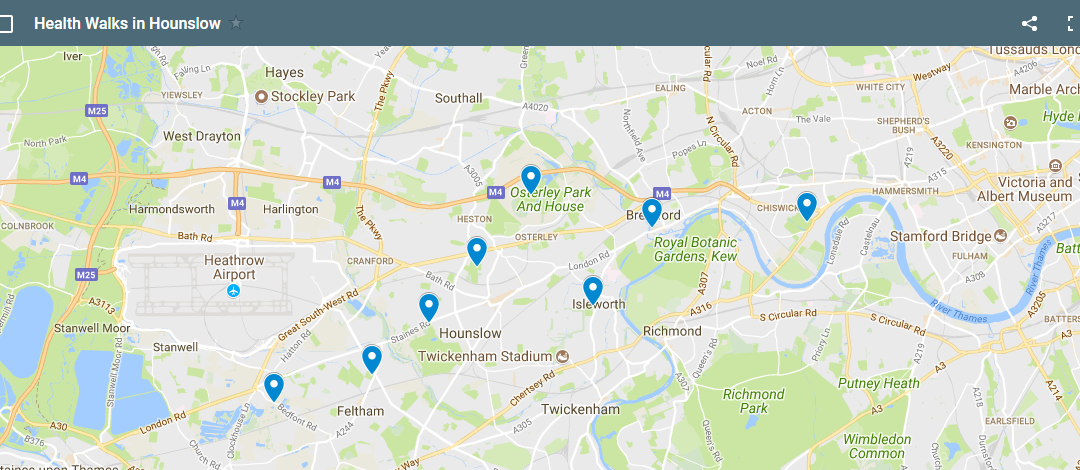
Back in summer last year (2017), we ran the Active 10 campaign on behalf of One You Hounslow to tackle inactivity in the borough. It encouraged people to sign up to the campaign, so they could receive more information about local walking opportunities – active travel,...

by John Ainsworth | Mar 15, 2018 | Insight
Are you active on Facebook? Have you ever used Facebook ads to promote your activities? If you are trying to engage people into sports and activity, I’m almost sure you at least have a Facebook page. It used to be that you could post on your page and people who like...
by John Ainsworth | Feb 21, 2018 | Case Study
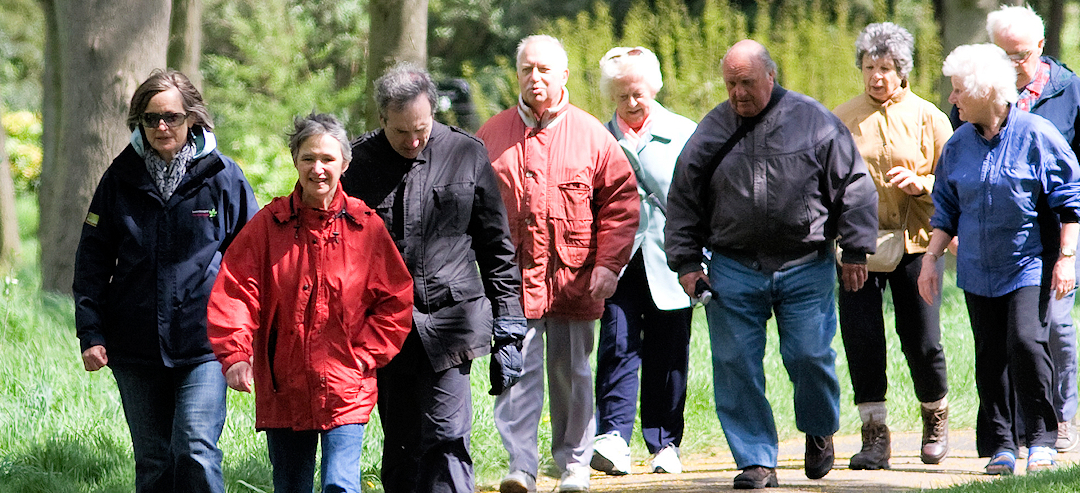
These are the results we got running a Facebook lead ad campaign in Redbridge. We’ll cover how we did it in a bit, but first, let’s look at the statistics. Long term health conditions and physical activity 15 million people in England alone have one or more long-term...

by John Ainsworth | Feb 13, 2018 | How to
Do you want to make your marketing 10x as effective? Depending on what you’re doing at the moment, this might be possible.There are a few thing absolutely crucial in order to be able to really up the effectiveness of your marketing.One is the 2-step...

by John Ainsworth | Jan 22, 2018 | Insight
Remember text messages? SMS? That old-school way of texting people before the i-message, Facebook and Whatsapp? Don’t worry, most other people have forgotten all about them too! Did you know that 98% of all text messages are read and, although most people don’t like...

by John Ainsworth | Jan 3, 2018 | Insight
Are your Facebook ads targeted well?Images and photos are a powerful way of communicating on Facebook. That’s what catches people’s eye in the first place. Research at 3M Corporation concluded that we process visuals 60,000 times faster than text.Below are...

by John Ainsworth | Nov 30, 2017 | Case Study
Would you like to know how to engage almost 500 people in different activities? That’s just what happened in Wandle Valley with Facebook Ads. Make Sport Fun started on a project of filling up walking groups for Wandle Valley Regional Park Trust and ended up...
by John Ainsworth | Nov 15, 2017 | Case Study
Would you like to know how we engaged more than 3000 women in local activities in Bucks? If you’ve already read some of our posts, you know about our 2-step process and if not, this is going to be the perfect example of how it works. We all need a marketing system...
by John Ainsworth | Oct 31, 2017 | Case Study
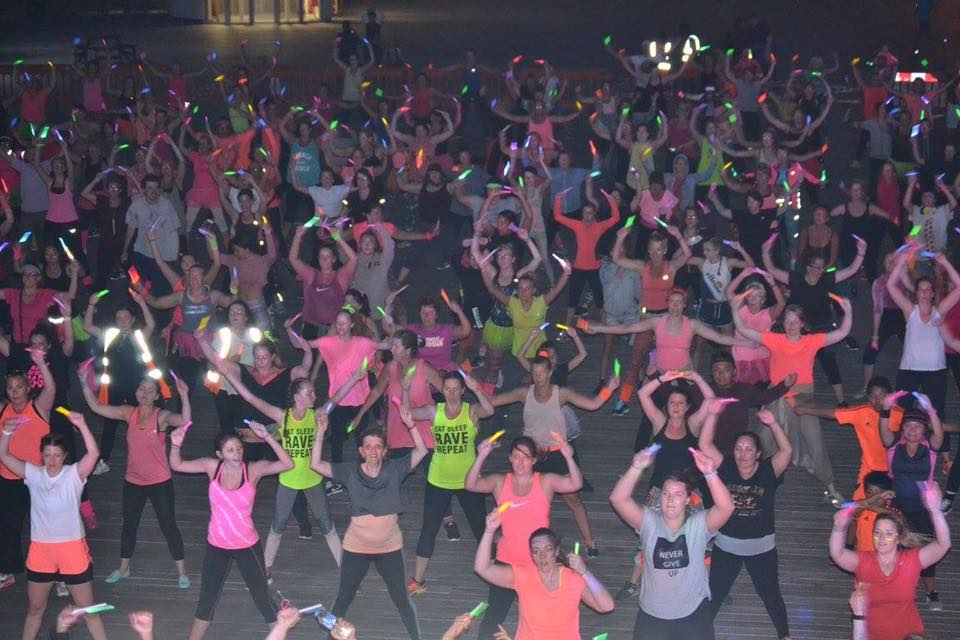
FollowFollowFollow The Active Hastings Fitness Rave event engaged more than 250 people while spending only £23 on Facebook Ads. All of this in only 18 days – that’s a bit more than spending a pound a day on ads!Why were they so successful? We are going to cover...